
Thoughts on an Occupation
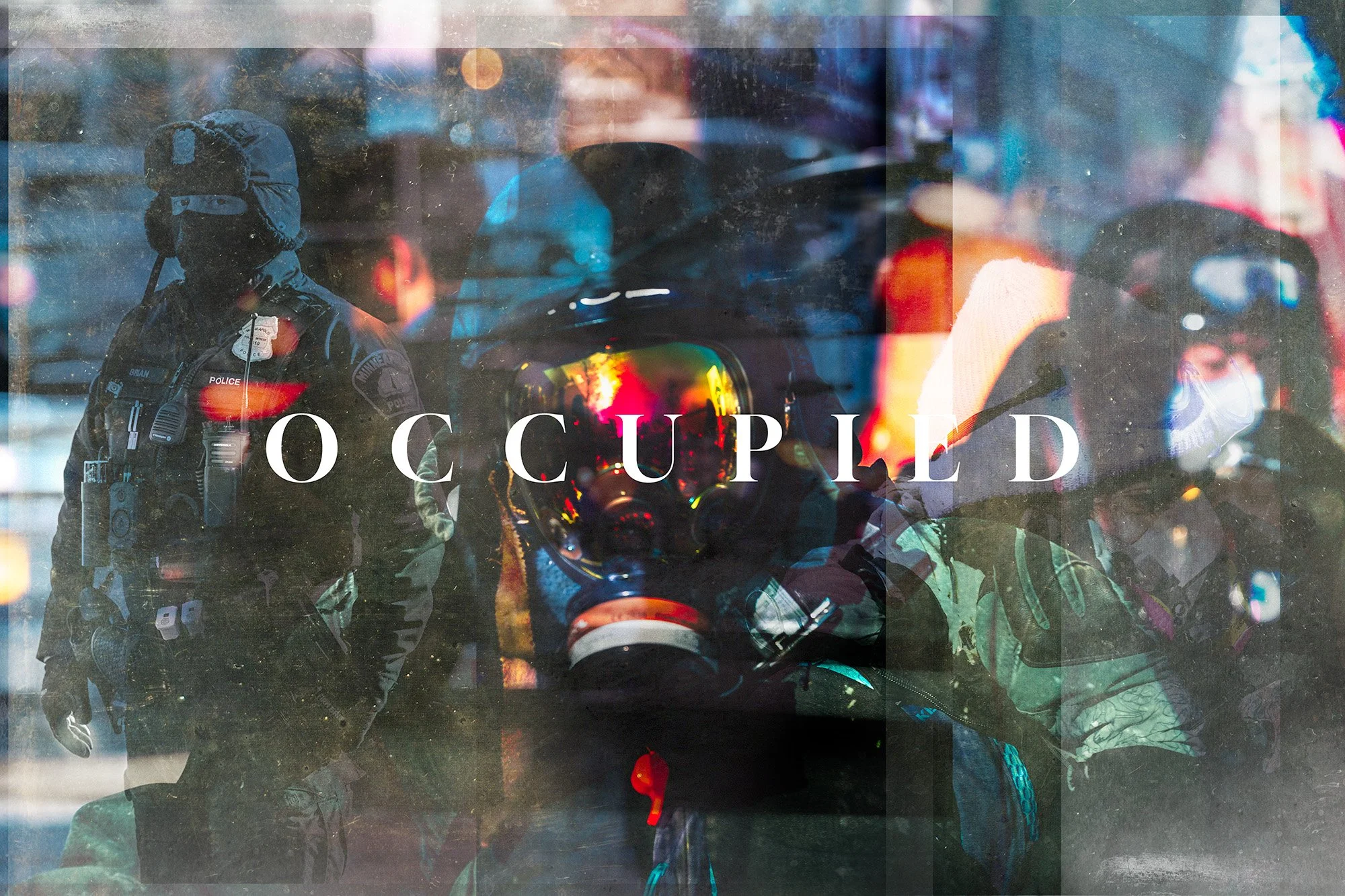
Men in masks. Armed. Driving through the city. Seizing people indiscriminately. Billowing chemicals casually tossed into the air. Press conferences with politicians dressed in Henrich Himmler cosplay. Teenagers slammed to the pavement. Elderly men dragged from their homes into the winter cold. Children. Too many children.
These are not metaphors. Not exaggerations. These are images from our own neighborhoods, circulating daily. People across the world see them and recognize exactly what they are. No reach or interpretation required. No missing context. Just the plain disregard of rights and democracy for all to see.
And yet, in answer, people have gathered. In ways that, I bet, many of us didn’t think were still possible. Minnesotans showed the rest of the country what happens when the collective will refuses to bend. Will this be the catalyst? A shift away from rule by oligarchs and career politicians and back toward the people themselves?
If anything, this moment has exposed how fragile our institutions truly are. The guardrails were never made of steel. They were agreements. If those agreements aren’t honored, if court orders can be ignored, if office buildings can become prisons, if democracy itself is treated as optional, then we are forced to see how thin the structure has always been. The “rule of law” just a suggestion easily ignored. But that same fragility cuts both ways. The occupation of Minnesota proved that they will fold when the people push back. A cash bonus and bad health insurance is nothing in the face of people looking out for their neighbors.
I get stuck in a mental loop, thinking about how the Twin Cities responded to the deaths of Philando Castile and George Floyd and how it compares six years later. The people came together in the wake of those killings too. I feel proud of my community today, and how so many stood together in defiance of ICE’s violence. Either we learned from those experiences as a community and therefore mobilized more quickly and effectively, or the fact that the victims were white is what finally spurred people to action – the threat finally became real for folks in a way they couldn’t ignore.
The optimist in me wants to believe that this is just another step in our journey as a community becoming better, more caring, and more aware of the struggles of our neighbors. The pragmatist thinks that we’ll find out the next time someone of color is killed on our streets.
